
A Practical Approach to Task Batching for Better Focus
Task batching is a simple yet powerful strategy that transforms how you manage your daily workload by grouping similar duties into dedicated time slots. Instead of letting your attention scatter across dozens of tiny, disconnected chores, you consolidate them to protect your mental energy. By adopting this rhythm, you stop the constant friction of shifting gears and start making real progress on what matters most.
Understanding this process helps you reclaim hours of lost time, allowing you to move through your to-do list with intention rather than reacting to every incoming ping. You will learn how to structure your day to minimize fatigue and maximize your creative output through this focused method.
Understanding the Psychology of Focus
At its core, task batching works because it combats the hidden tax of context switching. Every time you jump from writing a report to checking your email, your brain undergoes a process called attention residue.
This means a part of your focus remains stuck on the previous activity, making it impossible to dive fully into the new one. When you perform similar activities in one go, you keep your brain in a specific “mode,” which significantly reduces the cognitive load required to get started.
Think of it like a chef preparing a meal. A professional cook doesn’t chop one onion, walk to the stove to sauté it, return to the cutting board for a carrot, and then go back to the stove. They chop all the vegetables first, then move to the heat.
By applying this same logic to your work, you stop wasting energy on the logistics of switching tools, tabs, or thought processes. You achieve a state of flow much faster, and that flow is where your best work happens.
Step 1: Audit Your Daily Responsibilities
The first step to effective batching is gaining total clarity on what you actually do. Most of us have a vague sense of our responsibilities, but we rarely see the patterns hidden within them.
Spend one or two days tracking every single thing you touch, from answering customer queries to formatting spreadsheets or brainstorming new campaigns. Don’t worry about whether these actions seem important; just get them on paper or into a digital list.
Once you have your list, categorize these items by the type of mental energy they require. Some tasks are administrative and low-effort, like clearing out your inbox or filing receipts. Others are creative and demand deep concentration, such as drafting a proposal or designing a presentation.
By identifying which bucket each activity falls into, you lay the groundwork for a more efficient schedule. You cannot organize what you haven’t identified, so be thorough in this initial audit phase.
Step 2: Group Similar Activities into Batches
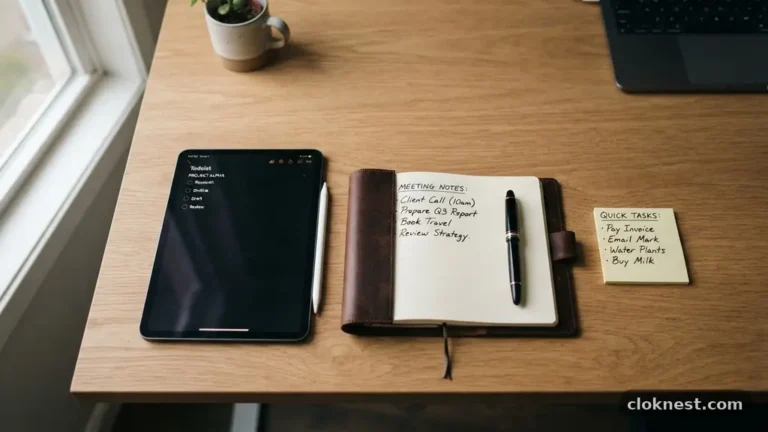
Now that you have your inventory, it is time to group items that require the same tools or mindset. A batch is simply a collection of these related duties.
For example, if you manage social media, don’t create one post at a time throughout the day. Instead, create a batch for “Content Creation” where you write, design, and schedule all your posts for the week in one sitting.
The goal is to minimize the friction of starting. When you open your design software once for a two-hour block, you don’t have to deal with the loading time, finding your assets, or remembering your workflow five different times. You get into the groove, knock out the entire pile of work, and then close the program for the day.
This approach also allows you to compare similar items, ensuring consistency across your output. If you are struggling with this, consider looking into the Harvard Business Review’s perspective on managing cognitive resources to understand why this grouping is so effective.
Step 3: Assign Your Batches to Specific Time Blocks
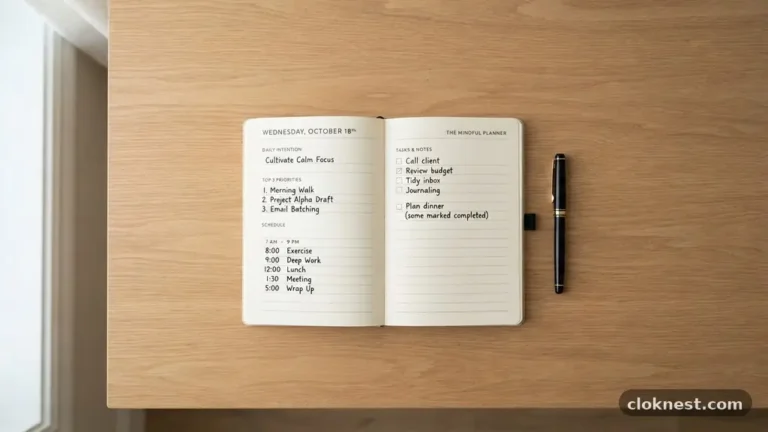
Time batching requires you to place these groups onto your calendar as if they were non-negotiable appointments. If you only look at a to-do list, you might be tempted to pick the easiest item first.
By assigning a specific time block, you commit to working on a particular category of tasks until that block is finished. This creates a container for your work, preventing it from bleeding into the rest of your day.
Common mistakes include being too optimistic about how long a batch will take. When you first start, you might think a batch of emails will take thirty minutes, only to find you need an hour. Give yourself a buffer.
If you finish early, you get a well-deserved break, which is much better than feeling stressed because you underestimated the depth of the work. Treat these blocks with the same respect you would give a meeting with a client or your supervisor.
Step 4: Protect Your Deep Work Periods
Not all batches are created equal. Your most demanding, creative work should be scheduled during the hours when your energy is at its peak.
For many people, this is early in the morning before the noise of the world creeps in. If you save your most challenging project for the end of the day when you are mentally drained, you will inevitably struggle to make progress.
During these deep work sessions, you must eliminate distractions. Turn off notifications, put your phone in another room, and clear your desk. If your batch involves writing or analysis, you need a environment that supports sustained attention.
If you allow interruptions during these critical periods, you break the cycle of focus you worked so hard to build. Protecting your energy is just as important as managing your time.
Step 5: Master the Art of Administrative Batches
Administrative duties are the biggest killers of productivity because they feel like “real work” while often yielding little progress. Email, Slack, and phone calls fall into this category.
The trap is to keep these apps open all day, responding to every notification as it arrives. This is the opposite of task batching; it is constant reaction.
Instead, create specific “admin batches” at set times of the day. Perhaps you check messages at 10:00 AM, 1:00 PM, and 4:30 PM. For the rest of the time, close those tabs.
You will find that most issues don’t actually require an immediate response, and you will be surprised by how much more you can accomplish when your inbox isn’t constantly vying for your attention. This discipline creates a sense of calm and control over your communication.
Step 6: Review and Refine Your Workflow
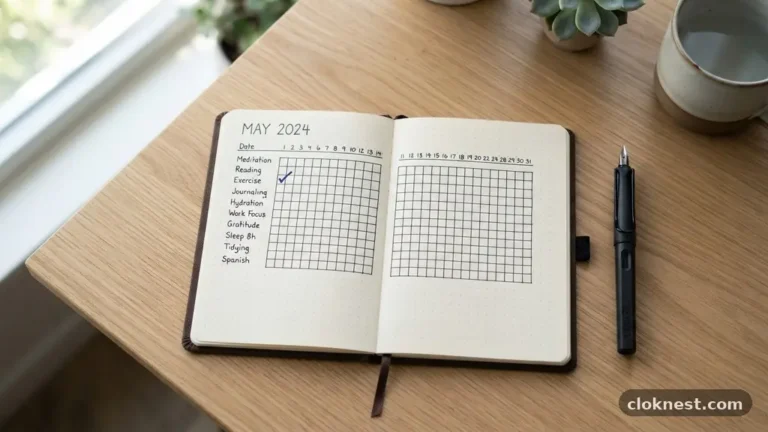
No system is perfect on the first try. After a week of practicing this method, sit down and review your results. Did you find that your afternoon energy slump made certain batches impossible to finish?
Maybe you should swap your administrative batch to that time slot instead. Did you have too many batches, leaving you feeling rushed?
Flexibility is the hallmark of a sustainable system. If a batch is constantly spilling over into the next block, it might be too large. Break it down into smaller, more manageable pieces.
The goal of this process isn’t to create a rigid cage for your day, but to build a structure that supports your natural rhythms. If you find yourself dreading a specific batch, ask yourself why. Is it too long, or is it a task that should be delegated or removed entirely?
Step 7: Managing Energy Levels Throughout the Day
Your energy levels are not static, and your batching strategy should reflect that. If you are a night owl, don’t force yourself to do your hardest creative work at 8:00 AM.
If you are an early bird, don’t save your complex projects for the late afternoon when your brain is naturally slowing down. Pay attention to your own biological clock over the course of a few days.
Match the difficulty of your batches to your energy cycles. High-energy, high-focus tasks go during your peak, while low-energy, repetitive tasks go during your dips.
This is known as “energy management,” and it is the secret ingredient to long-term success with task batching. When you stop fighting your natural rhythms and start working with them, you will find that you can do more while feeling significantly less exhausted at the end of the day.
Frequently Asked Questions
Is task batching the same as multitasking?
No, they are opposites. Multitasking is the attempt to do several things at once, which usually results in poor quality and high stress. Task batching is about doing one specific type of thing at a time, which increases focus and efficiency.
What should I do if an urgent request interrupts my batch?
Determine if it is truly urgent or just important. If it is a genuine emergency, handle it, but then return to your batch immediately. If it can wait, add it to your list and address it during your next scheduled administrative block.
Does this method work for people with ADHD?
Many people with ADHD find this approach helpful because it provides clear boundaries and reduces the overwhelm of an infinite to-do list. However, it requires starting with very small, manageable batches to avoid becoming discouraged by the transition periods.
How many batches should I have in a single day?
There is no magic number, but most people function best with three to five major batches. Too many small batches can lead to too much context switching, which defeats the purpose of the strategy.
What if my job requires me to be reactive all day?
Even in reactive roles, you can often find windows for batching. Try to group your reactive tasks into “active” and “passive” buckets. If you absolutely cannot avoid being on call, try to batch your internal work during the quietest parts of your day.
Building a Sustainable Routine
Embracing this way of working is about consistency rather than perfection. You don’t need to be a robot to see the benefits of grouping your duties; you just need to be intentional about how you spend your hours.
Start by picking one area of your day—perhaps your morning email routine—and experiment with batching there first. Once you see the time you save, you will naturally want to apply the same logic to other parts of your project list.
Remember that the ultimate goal is not just to get more done, but to do your work with more focus and less stress. By letting go of the pressure to be constantly available, you open up space for the deep, meaningful contributions that only you can make.
Start small, stay curious, and adjust as you learn what works best for your unique life. Task batching is a skill that grows with you, so keep refining your approach as your needs evolve.