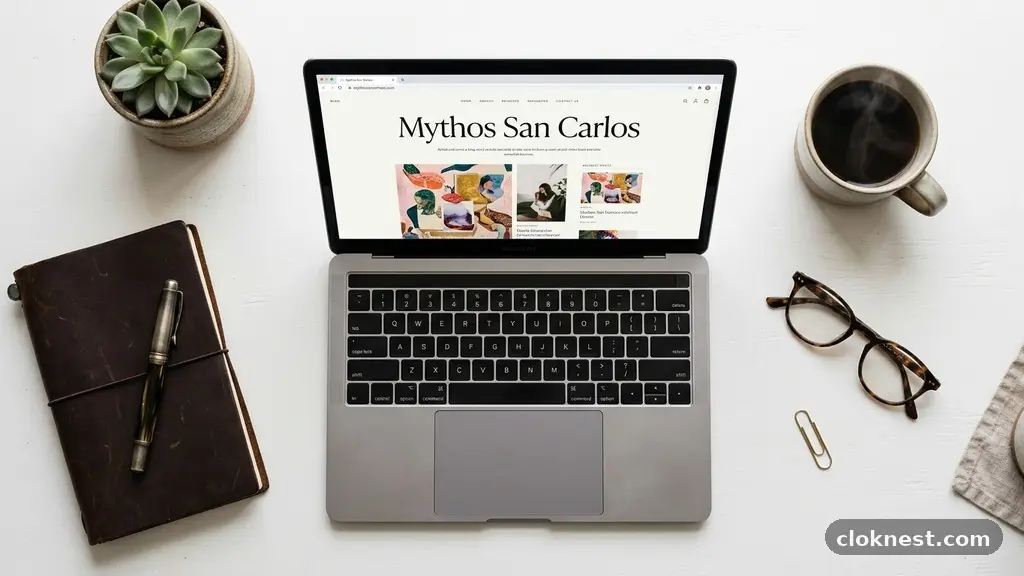
MythosSanCarlos.com Explained: What the General-Interest Blog Covers
MythosSanCarlos.com Explained begins with a simple question: what kind of publication is MythosSanCarlos.com, and why does its mix of subjects matter? The site is best understood as a San Carlos–focused general-interest blog, bringing together local news, community stories, lifestyle ideas, culture, entertainment, and practical neighborhood information. That broad scope makes it different from a specialist publication or a single-topic review site.
Readers can use it to understand the kinds of conversations, activities, places, and everyday concerns that shape life in and around San Carlos. The key is to read each article by its purpose, evidence, and local relevance rather than assuming every post carries the same editorial weight.
What MythosSanCarlos.com Is
MythosSanCarlos.com is positioned as a general-interest blog with a strong San Carlos identity. Its subject range can include local news, community stories, lifestyle, culture, entertainment, food and dining, travel, local events, business, technology, and health and wellness. That combination gives the publication a magazine-like character rather than the narrower focus of a municipal bulletin, restaurant directory, or breaking-news desk.
The phrase “general interest” is important. It means the site is designed to appeal to people who want a useful sense of place, not only readers searching for one specialist topic. A resident might arrive for a piece about a local event, then stay for an article about dining, a neighborhood issue, or a practical health and wellness topic.
MythosSanCarlos.com should also be separated from official public information. A blog may discuss a road closure, festival, business opening, or civic debate, but it isn’t automatically the authority for permits, emergency notices, public meetings, or legal requirements. For those matters, readers should verify details through the relevant public agency; the official City of San Carlos website is a useful starting point for municipal information.
That distinction answers the reader’s main question early: the site covers San Carlos through a broad editorial lens, connecting place-based reporting with everyday interests. Its value lies in discovery, context, and local perspective, while official sources remain necessary for definitive public records or time-sensitive instructions.
The Local Lens Behind the Site
A local publication becomes useful when it does more than attach the name of a city to generic content. The San Carlos lens should affect the examples, the people mentioned, the locations discussed, and the practical questions raised. An article about dining, for instance, has more local meaning when it considers neighborhood patterns, independent operators, opening hours, or the way a restaurant fits into the surrounding commercial area.
San Carlos also has a distinct geographic and civic setting that can shape editorial coverage. Stories may connect downtown activity with nearby neighborhoods, regional travel, school or community life, public spaces, and the wider Bay Area. A local blog doesn’t need to cover every municipal issue to be useful, but its strongest material should show why a subject matters in this particular place.
Readers can test that local relevance by looking for concrete details. Named streets, venues, organizations, public events, business owners, dates, and direct quotations all make a story easier to evaluate than a post filled with broad claims about “vibrant communities” or “exciting opportunities.” Specificity is especially important if an article makes a recommendation that could affect a reader’s time or money.
The local lens can also create a welcome sense of continuity. A festival may appear in an event preview, a photo feature, a follow-up story, and later coverage of its effect on nearby businesses. That kind of connection helps a general-interest blog feel like an ongoing record of place rather than a rotating collection of disconnected search topics.
Still, local perspective isn’t the same as automatic neutrality. An article may reflect the writer’s selection of sources, interests, or editorial viewpoint. Readers get a clearer picture by comparing claims with primary announcements, direct business information, and other reputable reporting when the subject is disputed or consequential.
Read More: Therahertz.com Explained: What the Online Magazine Actually Is
Community Stories and Local News
Community stories are likely to be among the most meaningful parts of MythosSanCarlos.com because they show how broad issues affect identifiable people and places. A neighborhood improvement, nonprofit project, school activity, volunteer effort, or small-business milestone can tell readers something about civic life that a formal notice may leave out.
Local news requires a slightly different standard. Even a short item about a meeting, development proposal, traffic change, or public safety matter should make clear what happened, when it happened, and where the information came from. If the facts are still developing, responsible wording should distinguish confirmed information from preliminary reports or commentary.
A useful community article answers practical questions without turning every subject into a controversy. Who is involved? What changed?
Which residents or organizations are affected? What happens next? Those details help a reader understand the story instead of simply absorbing a mood or headline.
Human interest also has a place in this category. A profile of a longtime resident, artist, coach, volunteer, or business owner can preserve local memory and introduce readers to people they might otherwise never meet. The strongest profiles include the person’s own words and explain the specific contribution or experience that makes the story relevant.
Because community reporting deals with real people, accuracy and fairness matter. Names, titles, affiliations, dates, and descriptions should be checked carefully, while allegations should not be presented as established fact. Readers should treat opinion and editorial content as a distinct format, particularly when a post argues for a policy or criticizes a local decision.
Lifestyle, Culture, and Entertainment
Lifestyle coverage gives MythosSanCarlos.com room to discuss how people spend their time beyond formal civic affairs. That can include arts, recreation, local traditions, shopping, personal routines, family activities, and ideas for enjoying the area. The category is broad, but it works best when recommendations remain grounded in the actual character and options of San Carlos.
Culture coverage may focus on performances, exhibitions, public art, heritage, creative groups, or traditions that help define the community. A strong article supplies more than a name and a promotional description. It tells readers what the experience involves, who created it, where it takes place, how long it runs, and why it has local significance.
Entertainment articles serve a practical purpose when they include details such as age suitability, booking information, accessibility, approximate duration, and whether an event is indoors or outdoors. Those facts are more valuable than adjectives alone. They allow readers to decide whether a concert, screening, performance, or family activity fits their plans.
Lifestyle writing can also create a bridge between visitors and residents. Someone new to the area may use it to understand weekend habits or local customs, while a longtime resident may discover a small venue, class, or cultural program they had overlooked. That discovery function is one reason general-interest blogs remain useful even when readers can find isolated facts through search engines.
The limitation is that lifestyle and entertainment posts can become promotional if they rely only on supplied descriptions. Readers should notice whether a piece identifies sponsorships, separates paid promotion from independent recommendation, and acknowledges limitations. A warm tone is welcome, but transparency makes the coverage more trustworthy.
Food and Dining Coverage
Food and dining is a natural fit for a San Carlos publication because restaurants, cafés, bakeries, bars, markets, and food events are part of how people experience a city. MythosSanCarlos.com may use this area to highlight places to eat, explain local dining trends, or suggest ways to plan a meal around a neighborhood, event, or occasion.
Useful dining coverage goes beyond saying that a restaurant is “excellent.” It identifies the type of food, the setting, the likely audience, and the dishes or service features that make the visit distinctive. Information about reservations, takeaway options, dietary choices, price level, parking, and changing hours can be particularly helpful, although readers should confirm those details before visiting.
Restaurant information changes quickly. Menus are revised, chefs move on, businesses relocate, and temporary promotions end.
A responsible article makes its publication date visible and avoids presenting a dated price or menu item as permanent fact. The same caution applies to claims about awards, ownership, sourcing, and opening dates.
Dining stories can also carry cultural value. A profile of a family-run business may explore recipes, migration, local connections, or the history of a food tradition without reducing the story to a list of dishes. That approach gives readers a richer reason to visit and treats the people behind the business as more than marketing material.
For readers comparing recommendations, a small checklist helps:
- Check the article date and confirm current opening hours.
- Look for a clear distinction between a review, a sponsored feature, and a business announcement.
- Compare dietary, accessibility, reservation, and parking details with the venue’s current information.
- Read specific observations about food and service rather than relying only on broad praise.
Travel and Local Events
Travel content on a San Carlos blog doesn’t have to mean distant holidays. It can cover day trips, nearby attractions, visitor itineraries, transport considerations, and ways to combine local stops into a practical outing. That regional emphasis suits readers who want an experience that can be planned around a weekend, an event, or a short visit.
A useful travel article explains logistics as well as appeal. Readers may need to know how long a trip takes, what kind of transport is realistic, whether advance booking is required, and which details are seasonal. Vague advice to “explore the area” is less useful than a clearly described route with realistic time and cost considerations.
Local events are another important part of the site’s potential coverage. A calendar-style post might list markets, festivals, performances, workshops, charity activities, or public gatherings. The most valuable version includes dates, times, locations, admission information, registration instructions, accessibility notes, and a clear indication of whether the information came from an organizer.
Event details can change at short notice because of weather, permits, staffing, or venue issues. Readers should confirm the event before leaving home, especially if an article is more than a few weeks old. A blog can help people discover an event, but the organizer’s current announcement is usually the best source for cancellation or schedule changes.
Travel and event coverage also benefits from responsible local etiquette. Advice about parking, noise, waste, public transport, crowded areas, and respect for residents makes a recommendation more sustainable. It recognizes that a visitor’s enjoyable afternoon can still affect the people who live near a popular destination.
Business, Technology, and Work
Business coverage allows MythosSanCarlos.com to examine the economic life of San Carlos without becoming a specialist financial publication. Possible subjects include independent retailers, professional services, entrepreneurs, commercial openings, workplace trends, and the challenges of operating a business in a local market.
A business profile should tell readers what the company actually does, who it serves, and what makes its story locally relevant. A named founder, a specific service, a concrete opening or expansion, and a clear explanation of the customer problem are stronger than generic references to innovation or success. If financial results or investment figures are not publicly documented, the article should not imply them.
Technology articles can be useful when they connect tools to ordinary needs. Examples might include online booking, digital privacy, small-business software, neighborhood communication, accessibility technology, or the effect of automation on local work. Readers benefit from explanations of cost, compatibility, data handling, and limitations rather than excitement for its own sake.
Business and technology claims deserve careful sourcing because they can influence purchasing decisions. A post that recommends software should clarify whether it is independently assessed, supplied by a company, or based on a personal experience. Readers should also distinguish editorial commentary from regulated financial, legal, or cybersecurity advice.
Local economic coverage has a human dimension, too. A new shop can change foot traffic, a vacant storefront can affect a commercial block, and a technology company can alter the kinds of jobs available in an area. Connecting those changes to residents, workers, customers, and neighboring businesses gives the topic more depth than a simple announcement.
Health, Wellness, and Practical Advice
Health and wellness content can make a general-interest blog useful in everyday life, but it needs especially clear boundaries. Articles about exercise, sleep, nutrition, stress, recreation, or healthy routines may offer general education. They should not be treated as a diagnosis or as a substitute for advice from a qualified clinician.
The safest wellness writing explains the level of evidence behind a claim. A post about walking, for example, can discuss it as an accessible form of physical activity without promising that it will prevent or cure a specific illness. Language matters: “may support” and “is associated with” are different from a guarantee.
Local context can make this coverage more practical. A story might discuss ways to use parks, walking routes, community classes, farmers’ markets, or recreation programs, provided the information is current and accurately described. It should avoid presenting a public space as suitable for everyone without considering mobility, safety, weather, and access.
Readers should be cautious with supplements, restrictive diets, mental-health claims, and posts that encourage stopping medication or delaying care. Those subjects require qualified sourcing and careful wording. Any urgent symptom, crisis, or serious medical concern belongs with an appropriate professional or emergency service, not a blog comment section.
Wellness writing can still be warm and encouraging without overstating results. Practical ideas, realistic expectations, and an acknowledgement of different abilities make an article more useful than a promise of transformation. The best pieces respect readers’ circumstances rather than implying that one routine works for every body or household.
How to Read the Site Critically
MythosSanCarlos.com is easiest to use when readers match the article’s format to the decision they are making. A community profile can offer perspective, a dining piece can suggest a place to try, and an event preview can help with discovery. None of those formats automatically replaces an official notice, a professional consultation, or direct confirmation from a business.
Start with the byline and date. Then ask whether the article names its sources, distinguishes fact from opinion, and identifies commercial relationships. A recently updated page may be more useful than an older one, but an update label alone doesn’t prove that every detail has been rechecked.
| Article type | What it can do well | What to verify |
|---|---|---|
| Local news item | Explain a community development or public issue | Dates, official decisions, named sources, and later updates |
| Business profile | Introduce a local company or founder | Ownership, services, prices, claims, and sponsorship status |
| Dining feature | Suggest restaurants, cafés, or food experiences | Hours, menu, availability, accessibility, and current pricing |
| Event preview | Help readers discover activities and plan a visit | Schedule, venue, admission, cancellation, and registration details |
| Health or wellness article | Offer general education and practical ideas | Evidence, author expertise, safety limits, and clinical advice |
| Opinion or editorial | Present an argument or local perspective | Which claims are documented and which are interpretation |
Cross-checking doesn’t mean distrusting every article. It means using the right source for the right claim. A blog may be the first place you hear about a new event, while the organizer confirms its time; a restaurant feature may spark interest, while the venue confirms today’s menu.
Readers can also judge balance by noticing what an article leaves out. Does a development story mention both benefits and concerns? Does a review explain who might not enjoy the experience?
Does a technology post discuss privacy or cost? These questions encourage thoughtful reading without stripping local writing of its personality.
Why the Broad Format Matters
The main strength of a general-interest blog is connection. Local news, business, food, culture, travel, and wellness are not isolated parts of real life. A new event can help restaurants, a business opening can change a street, a cultural program can draw visitors, and a public-space decision can affect exercise and community identity.
That range also helps smaller stories find an audience. A specialist publication may not cover a neighborhood workshop or independent café, while a broad local site can show how those subjects fit into the everyday life of San Carlos. The result is not necessarily exhaustive journalism, but it can be a useful layer of context and discovery.
There is a trade-off. A publication covering many categories may have uneven depth, different contributors, and varying levels of expertise. Readers should therefore evaluate each article on its own evidence and purpose rather than assuming that a strong restaurant feature proves the same level of authority in health, technology, or public policy.
The broad format can also encourage participation. Readers may share a community announcement, suggest a local business, correct an outdated detail, or respond to an editorial argument. That exchange works best when corrections are specific, sources are named, and disagreement stays focused on the issue rather than the person.
Seen this way, MythosSanCarlos.com is not merely a collection of searchable articles. It is a local-facing editorial space whose usefulness depends on the quality of its details, the clarity of its categories, and the care readers take in applying what they find.
Frequently Asked Questions
What is MythosSanCarlos.com?
MythosSanCarlos.com is a San Carlos–focused general-interest blog. Its subject areas include local news, community stories, lifestyle, culture, entertainment, food and dining, travel, local events, business, technology, and health and wellness.
Is MythosSanCarlos.com an official city information source?
No assumption of official status should be made simply because a site discusses San Carlos. Use the relevant municipal agency, event organizer, business, or professional authority to confirm legal, emergency, public-service, medical, and time-sensitive information.
What kinds of readers may find the site useful?
Residents, newcomers, visitors, and people curious about local life may all find value in its broad coverage. It can help with discovery and context, especially when readers want ideas about events, dining, community activity, culture, or neighborhood interests.
Can readers rely on its health or wellness articles for medical decisions?
General wellness articles can provide background and practical ideas, but they should not replace personalized medical advice. Check the sourcing and author credentials, and speak with an appropriate healthcare professional about symptoms, treatment, medication, or urgent concerns.
How should readers check an event or restaurant detail?
Look at the article date first, then confirm the current information directly with the venue, organizer, or business. Hours, prices, menus, admission rules, and schedules can change after publication.
Conclusion
MythosSanCarlos.com Explained is, at its core, a look at a broad local publication rather than a single-purpose news outlet. Its appeal comes from bringing San Carlos community stories, lifestyle, culture, entertainment, dining, travel, events, business, technology, and wellness into one place.
Use the site for ideas, local context, and discovery, then verify important details with the source closest to the fact. Check dates, read opinion as opinion, and value articles that offer named places, people, evidence, and practical detail. If a particular story has helped you find a local event or business, sharing that experience can make the community conversation even more useful.





One Comment