
Mastering Productivity with the Two Minute Rule
Starting your day with a clear sense of purpose can feel impossible when a mountain of small chores weighs on your mind. By adopting the Two Minute Rule, you gain a practical framework to clear mental clutter and build momentum. This simple strategy forces you to handle minor obligations immediately rather than letting them accumulate into a stressful backlog.
When you decide to act on any task that takes less than two minutes, you effectively stop procrastination in its tracks. You will learn how to reclaim your focus, streamline your daily habits, and move through your to-do list with newfound efficiency.
Understanding the Core Concept
At its heart, this approach is about speed and decisiveness. When a request or a minor chore enters your field of vision, you have a split-second opportunity to either do it now or defer it.
If the task takes two minutes or less, the rule dictates that you must do it immediately. This prevents the “piling up” effect where ten tiny tasks eventually turn into an hour of overwhelming work.
Many people fall into the trap of writing down every little thing. By the time they look at their list, they feel defeated by the sheer volume of items.
Instead of logging “reply to email” or “hang up coat,” performing these actions in the moment saves you the energy of writing, tracking, and later remembering them. Efficiency isn’t just about speed; it’s about reducing the cognitive load on your brain.
A common mistake is misjudging how long a task actually takes. You might think folding laundry takes two minutes, but if it takes ten, you have violated the principle. Be honest with yourself about the duration of your work.
If it clearly exceeds the two-minute threshold, it belongs on a list, not in your immediate workflow. The goal is to keep your environment clear, not to rush through complex projects that require deep concentration.
Identifying Eligible Tasks
Not every piece of work qualifies for this immediate action. To use the method effectively, you need to train your eye to spot the right opportunities.
These are typically administrative or maintenance-based actions that require very little decision-making. Examples include responding to a simple confirmation email, filing a document, or washing your breakfast bowl immediately after eating.
Think of these as the “friction points” of your day. They are the small, sticky tasks that don’t seem like much individually but create significant friction when they remain undone.
When you see a task, ask yourself: “Can I finish this before the clock hits two minutes?” If the answer is yes, you have a green light to act.
Avoid the pitfall of using this as an excuse to avoid hard work. Some people use the method to stay “busy” with tiny tasks while ignoring the major projects that actually move the needle.
You should never prioritize clearing your inbox if it means neglecting a high-priority deadline. Use the strategy to clear the path for your important work, not to distract yourself from it.
Building Habitual Momentum
One of the most powerful aspects of this technique is how it builds momentum. Starting is often the hardest part of any endeavor.
By clearing out the small, annoying items, you create a sense of accomplishment that carries over into your more challenging projects. It is a psychological win that tells your brain you are capable of getting things done.
When you finish a task, you release a small amount of dopamine. This chemical reward reinforces the behavior, making you more likely to stay productive throughout the day.
It turns the act of working into a series of small, positive loops rather than one long, exhausting slog. This is particularly useful for those who struggle with executive function or feel easily overwhelmed by large lists.
Be careful not to over-optimize your life. You don’t want to spend your entire day looking for two-minute tasks just to feel productive.
The rule is meant to serve your goals, not replace them. When you find yourself “cleaning” your digital workspace for hours rather than working on your primary objective, you have strayed from the purpose of the practice.
Managing Digital Clutter
Our digital lives are filled with endless, tiny interruptions. Emails, Slack messages, and notifications constantly demand our attention.
The Two Minute Rule is exceptionally effective here. If an email requires a simple “yes” or “no” or a quick confirmation of a meeting time, do it the moment you open the message.
By handling these messages immediately, you prevent your inbox from becoming a graveyard of unread communications. You also stop the cycle of opening an email, closing it, thinking about it later, and then reopening it to finally reply.
Every time you touch a task, you expend mental energy. By finishing it in one go, you save that energy for more important matters.
A common mistake in the digital realm is the “read-and-forget” approach. You read a message, decide it takes two minutes, but then get distracted by a phone call.
If you aren’t going to finish the task right now, don’t open the message until you are ready to act. This maintains the integrity of your focus and keeps your digital environment lean and manageable.
Implementing the System in Teams
Productivity is often a collective effort. If you are part of a team, this method can help reduce the bottleneck of waiting for small approvals.
If a colleague sends a document that requires a quick glance and a signature, doing it instantly keeps the project moving. It shows respect for your teammates’ time and keeps the workflow fluid.
However, you must be careful not to create a culture of constant, reactive interruption. Just because you can answer a message in two minutes doesn’t mean you should be available at every second of the day.
Block out time for deep work where you don’t check messages at all. Use the rule during specific windows of time rather than allowing it to destroy your concentration.
Encourage a culture where everyone understands the importance of prompt, concise communication. When the whole team adopts a similar mindset, the number of “waiting for” items decreases significantly.
It fosters a sense of accountability where small things don’t fall through the cracks. For more insights on building effective habits, you can look at the American Psychological Association’s resources on habit change to understand the science behind consistency.
Addressing ADHD and Focus Challenges
Many people who struggle with ADHD find the Two Minute Rule to be a life-saver. When your brain has trouble prioritizing, everything feels equally important.
This method provides an objective, external criteria for deciding what to do first. It removes the need to constantly weigh the importance of tasks and replaces it with a simple, binary choice.
The structure of the rule helps silence the “noise” of a cluttered mind. Instead of worrying about a dozen different things, you focus on the single, tiny item in front of you.
This reduces the anxiety that often accompanies a long, unorganized to-do list. It helps you stay grounded in the present moment rather than spiraling into the future.
If you struggle with this, don’t beat yourself up when you fail to follow it perfectly. Some days, your brain will want to avoid everything, even the two-minute tasks. That is completely normal.
The key is to return to the practice when you can, without judgment. Consistency is more important than perfection, and even small improvements in your workflow make a difference over time.
Avoiding the Common Traps
Even the best systems have potential pitfalls. One major trap is “task switching.”
If you jump from a deep work task to a two-minute task every time an alert pings, you lose your flow state. It takes time for your brain to regain focus after an interruption, which is often much longer than the two minutes you spent on the task.
Always evaluate the cost of the interruption. Is it worth breaking your concentration to send a quick text? Usually, the answer is no.
Save your quick tasks for the end of a work block or during natural transitions in your day, such as between meetings or while waiting for a file to upload. This allows you to reap the benefits of the rule without sacrificing your higher-level productivity.
Another mistake is using the rule to avoid doing work that you find boring or intimidating. If you have a massive report due, you might be tempted to spend the whole day doing two-minute tasks to feel like you are being “productive.”
This is a form of procrastination. Learn to recognize when you are using the method to hide from the real work.
Refining Your Personal Workflow
Over time, you will develop an intuition for how to apply this rule to your unique life. Perhaps for you, the threshold isn’t exactly two minutes.
Maybe it’s five. The exact number doesn’t matter as much as the principle of clearing out the small, low-value items that get in the way of your actual goals.
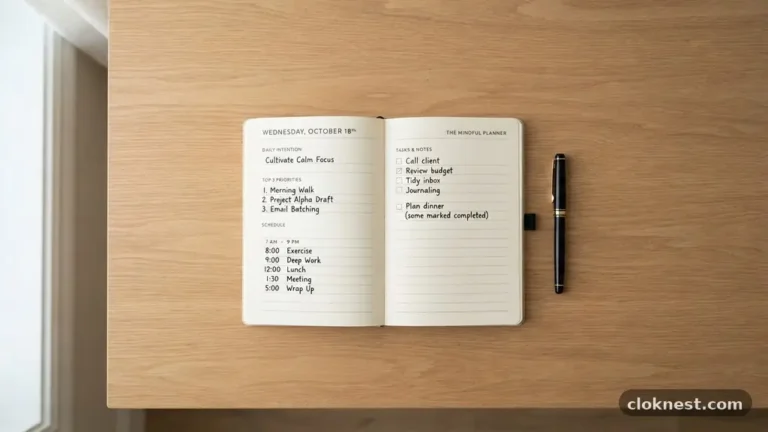
You might want to keep a physical notepad for tasks that take longer, while using the rule to handle the “quick wins” immediately. This hybrid approach often works best for busy professionals. By separating your tasks into “immediate” and “scheduled,” you create a clear distinction between maintenance and growth.
Periodically review how you spend your time. If you find that you are constantly doing two-minute tasks but never getting to your major projects, you need to adjust your priorities.
Reclaim your time by setting boundaries. The goal of any productivity system is to give you more freedom, not to turn you into a machine that just processes minor requests.
Frequently Asked Questions
What are the main downsides of the two-minute rule?
The primary downside is the risk of constant interruption. If you stop a major, complex project every time a two-minute task pops up, you will lose your flow and take much longer to finish the important work. It can also lead to “productive procrastination” where you stay busy with minor chores to avoid tackling difficult, high-stakes assignments.
Is this method effective for those with ADHD?
Many individuals with ADHD find the rule highly beneficial because it provides a clear, objective framework for decision-making. By reducing the number of choices you have to make, it lowers the barrier to starting. However, it is essential to pair this with time-blocking so that you aren’t constantly distracted by incoming requests during your deep work sessions.
What if I have too many two-minute tasks at once?
If you find yourself overwhelmed by a sudden flood of small tasks, stop and take a breath. Do not try to clear them all at once if it prevents you from doing your actual job. Pick the three most important ones, handle those, and then return to your primary project. The rest can wait in your inbox or on your list until you have a designated gap in your schedule.
How does this compare to the 3-3-3 rule?
While the two-minute rule focuses on clearing out small, immediate tasks, the 3-3-3 rule is about long-term project management and daily structure. The 3-3-3 rule suggests you accomplish three things: three hours on your most important project, three shorter tasks, and three maintenance items. They are complementary; you can use the two-minute rule to handle the maintenance items within a 3-3-3 structure.
Does this rule work for home life as well as work?
Absolutely. It is arguably even more effective at home, where chores like washing a dish, sorting mail, or putting away laundry can easily pile up and create a sense of chaos. Keeping your physical environment clear using this method can significantly reduce the stress you feel when you finally sit down to relax at the end of the day.
Final Thoughts on Sustaining Momentum
By consistently applying the Two Minute Rule, you transform how you interact with the small demands of your day. This isn’t just about finishing chores; it’s about creating a clearer, more intentional space for the work that matters most. When you clear out the minor obstacles immediately, you reduce the mental drag that keeps you from starting your best work.
Start small by picking one area of your life to experiment with this approach. Notice the relief you feel when your inbox is manageable or your desk is clear. Over time, these small shifts compound into a more disciplined and relaxed way of living.
If you find yourself slipping, simply start again. Every moment is a new opportunity to regain your focus and move forward with clarity and purpose.