How to Plan Your Day in 10 Minutes
Mastering the art of planning your day in 10 minutes creates a sense of calm that lasts from your morning coffee until you finally shut down for the evening. By dedicating a brief window of time to organize your intentions, you move away from reactive chaos and toward intentional action. This simple habit helps you clarify your priorities, reduces the mental friction of decision-making, and ensures that your most important goals receive the attention they deserve.
Whether you are managing a demanding career or balancing personal responsibilities, learning to structure your schedule quickly will transform your productivity. Let’s look at how you can reclaim your focus through this essential daily practice.
Clear Your Mental Workspace
The first step in planning your day in 10 minutes involves a total brain dump. Your brain is designed for generating ideas, not for storing them, so trying to keep track of every meeting, deadline, and errand causes unnecessary mental fatigue.
Grab a piece of paper or open a digital note-taking app and write down everything currently occupying space in your mind. Do not worry about order or priority at this stage; simply get the information out of your head and into a visible format.
When you see all your potential tasks laid out in front of you, the overwhelming feeling of “too much to do” begins to dissipate. This process is about externalizing your cognitive load.
By putting these items on a list, you signal to your brain that it is safe to stop cycling through them. This practice clears the way for genuine focus, allowing you to move into the actual planning phase with a sense of clarity that is otherwise impossible to achieve when you are holding everything in your working memory.
Identify Your Three Non-Negotiables
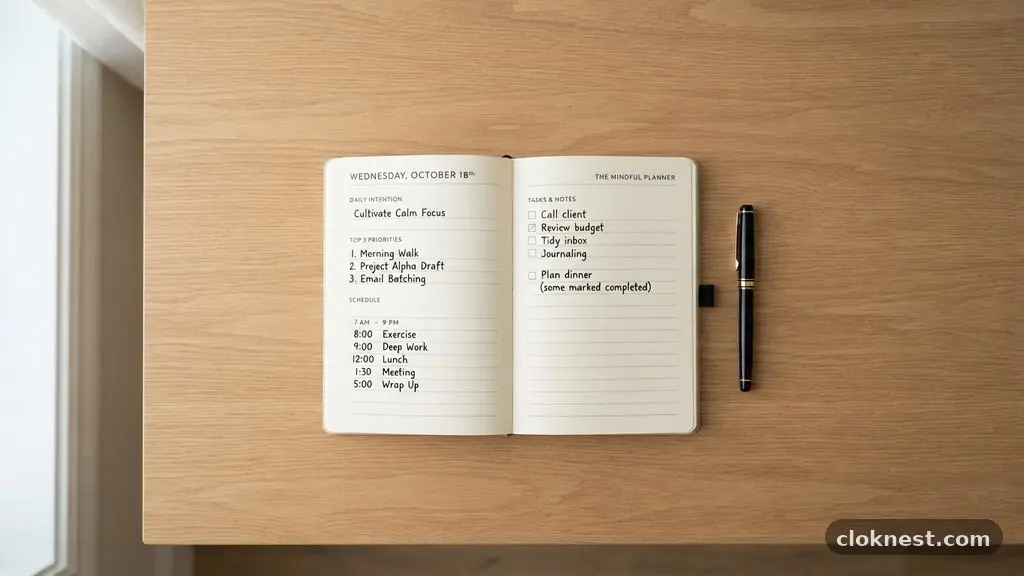
Once your master list is visible, look for the three tasks that will have the most significant impact on your progress. These are your non-negotiables. If you accomplish nothing else today, these three items must be completed to consider the day a success.
Many people make the common mistake of choosing too many high-priority items, which leads to inevitable failure when the day inevitably throws curveballs your way. By limiting yourself to three, you create a realistic framework that accounts for the reality of a busy schedule.
Focusing on these three items helps you distinguish between “busy work” and “meaningful work.” Busy work is checking emails or organizing folders, while meaningful work is moving the needle on a project or solving a persistent problem.
When you prioritize, you ensure that your energy is spent on the things that actually matter. If you find yourself struggling to pick just three, ask yourself which tasks have the closest deadlines or which ones carry the most significant consequences if left undone.
Map Tasks to Your Energy Cycles
Different tasks require different levels of mental sharpness, and your productivity will soar if you align your work with your natural energy levels. Most people experience a peak of cognitive function during the morning hours, while others find their stride later in the day.
Map your most demanding, creative, or complex tasks to the time of day when you feel most alert. Save administrative, repetitive, or simple tasks for when your energy naturally dips, such as the period following lunch.
A common mistake is assuming that you should tackle your hardest task at the exact same time every day regardless of how you feel. Instead, observe your own body. If you are a night owl, do not force yourself to write a complex report at 8:00 AM.
If you are an early bird, do not save your most critical thinking for 4:00 PM. By working with your biology rather than against it, you can accomplish more in less time. This Harvard Business Review guide on managing energy provides deeper insights into why syncing your schedule with your internal clock is a vital strategy for sustained performance.
Batch Similar Tasks Together
Context switching is a silent killer of productivity. Every time you jump from writing an email to answering a phone call and then back to a spreadsheet, you lose precious minutes as your brain recalibrates to the new task. To maximize your efficiency, group similar activities into single blocks of time.
This is known as task batching. For example, answer all your emails in one 30-minute block rather than checking your inbox every ten minutes throughout the day.
When you batch tasks, you maintain a state of flow for longer periods. You aren’t constantly shifting your cognitive focus, which means you spend less time getting started and more time actually producing results. Use your 10-minute planning window to look at your list and see where you can group items.
Can you combine all your phone calls into one hour? Can you handle all your research tasks back-to-back? This simple adjustment makes your day feel less fragmented and significantly more organized.
Define Success for the Day
Success is not just about finishing a list; it is about knowing when to stop. Often, we carry work stress into the evening because we have no clear boundary for when the day is “done.” As part of your quick planning process, define what a successful day looks like.
This might mean finishing your three non-negotiables, or it might mean leaving your desk by a specific hour to focus on family or personal health. When you set a clear finish line, you give yourself permission to fully disconnect once that line is crossed.
A major mistake is leaving your day open-ended, which invites work to bleed into your personal time. If you do not decide when you are finished, your brain will continue to scan for more work to do, preventing you from ever truly resting.
By setting an intentional boundary, you protect your downtime. This ensures that you return to your work the next day feeling refreshed rather than depleted, which is essential for maintaining long-term productivity and mental well-being.
Prepare Your Environment for Tomorrow
Planning your day in 10 minutes should also include a brief look at your physical workspace. A cluttered desk often leads to a cluttered mind, making it difficult to start your work the next morning.
Spend the final minute of your planning window clearing away trash, putting files in their proper place, and ensuring your digital desktop is clean. When you sit down to work the following day, you want to start with a blank slate rather than cleaning up the remnants of yesterday.
Some people find it helpful to leave one specific task ready to go. For instance, if you need to write a report, have the document open on your screen with the outline already typed out. This reduces the “activation energy” required to begin your work.
When you eliminate the friction of starting, you are far more likely to dive straight into your most important tasks without procrastinating. A well-prepared environment is a silent partner in your daily productivity.
Incorporate Buffer Time
No matter how well you plan, life is unpredictable. Meetings run over, technology fails, and urgent requests arise that demand your immediate attention. If your schedule is packed from start to finish with no room for error, a single disruption will derail your entire day.
To prevent this, intentionally build buffer time into your plan. Treat these gaps as essential components of your schedule rather than wasted time.
A common mistake is over-scheduling every single minute of the day. This creates a rigid plan that is doomed to fail the moment something unexpected happens. Instead, leave 15- to 30-minute windows of “white space” throughout your day.
If your day goes perfectly, use that time to get ahead on tomorrow’s work or simply take a short walk to recharge. If things go wrong, you have the flexibility to absorb the delay without feeling like you are falling behind.
Review and Refine Your Process
Planning is an iterative process, not a static rulebook. At the end of each week, take a few extra minutes to reflect on how your daily 10-minute sessions worked. Did you consistently finish your three non-negotiables?
Was your energy management effective, or did you find yourself struggling at specific times? Use this information to adjust your approach for the following week. If you find that you are consistently overestimating how much you can do, adjust your goals to be more modest.
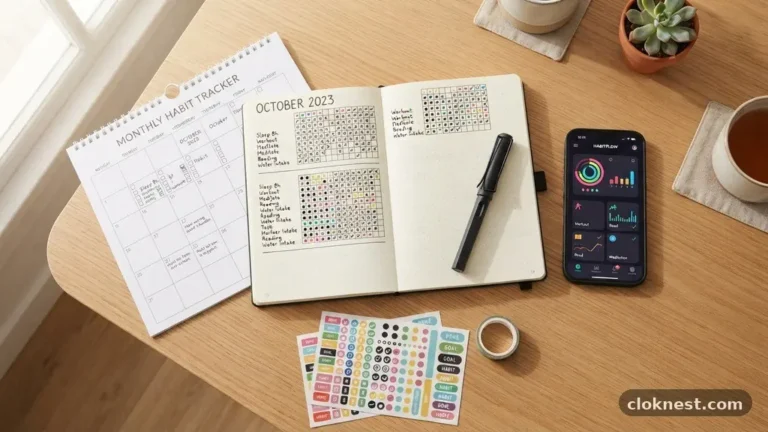
Don’t be afraid to experiment with different tools or methods. Some people prefer digital apps that sync across devices, while others thrive with a classic pen-and-paper notebook. The “right” way to plan is the way that you actually stick to consistently.
If a specific system feels like a chore, abandon it and try something simpler. The goal is to make the process as frictionless as possible so that it becomes a natural part of your routine rather than another task on your list.
Frequently Asked Questions
Is it better to plan the night before or the morning of?
Planning the night before is generally superior because it allows your subconscious to process the tasks while you sleep. When you wake up, you can start immediately without spending your first hour of energy deciding what to do. However, if your mornings are quiet and your evenings are chaotic, planning first thing in the morning is still highly effective.
What should I do if I don’t finish my three non-negotiables?
Do not beat yourself up. Life happens, and some days are simply more productive than others. If you don’t finish your list, move the remaining items to the top of your priority list for the next day. The key is to avoid carrying the guilt over, as that only drains the energy you need to complete the work tomorrow.
Can I use a digital app for this process?
Absolutely. Digital tools are excellent for planning because they allow you to easily drag and drop tasks, set reminders, and keep everything in one place. Just ensure that the app you choose is simple and fast. If you spend more time managing the app than actually planning, you have defeated the purpose of the 10-minute limit.
How do I handle urgent requests that pop up during the day?
Urgent requests often masquerade as important tasks, but they are usually distractions. When an unexpected task arises, ask yourself if it truly needs to be done right now. If it doesn’t, add it to your master list and decide where it fits in your schedule for later. If it is a genuine emergency, swap it with one of your existing non-negotiables rather than just adding it to the pile.
What if I find 10 minutes is not enough time to plan?
If you feel 10 minutes isn’t enough, you are likely trying to do too much. The 10-minute limit is a constraint designed to force you to prioritize effectively. If you need more time, it is usually a sign that your list is too long or your goals are too vague. Focus on simplifying your task list until the planning process feels manageable within that 10-minute window.
Final Thoughts on Daily Planning
Mastering the habit of planning your day in 10 minutes is one of the most effective ways to regain control over your time. By focusing on your non-negotiables, respecting your natural energy patterns, and leaving room for the unexpected, you build a sustainable rhythm that supports both your productivity and your peace of mind. Remember that the goal is not perfection, but rather a consistent intention that guides your actions throughout the day.
Start small, remain flexible, and adjust your approach as you learn what works best for your specific lifestyle. By keeping this commitment to yourself each day, you will find that you accomplish more with significantly less stress. Take that first step tomorrow morning and observe the difference it makes in your overall focus and clarity.